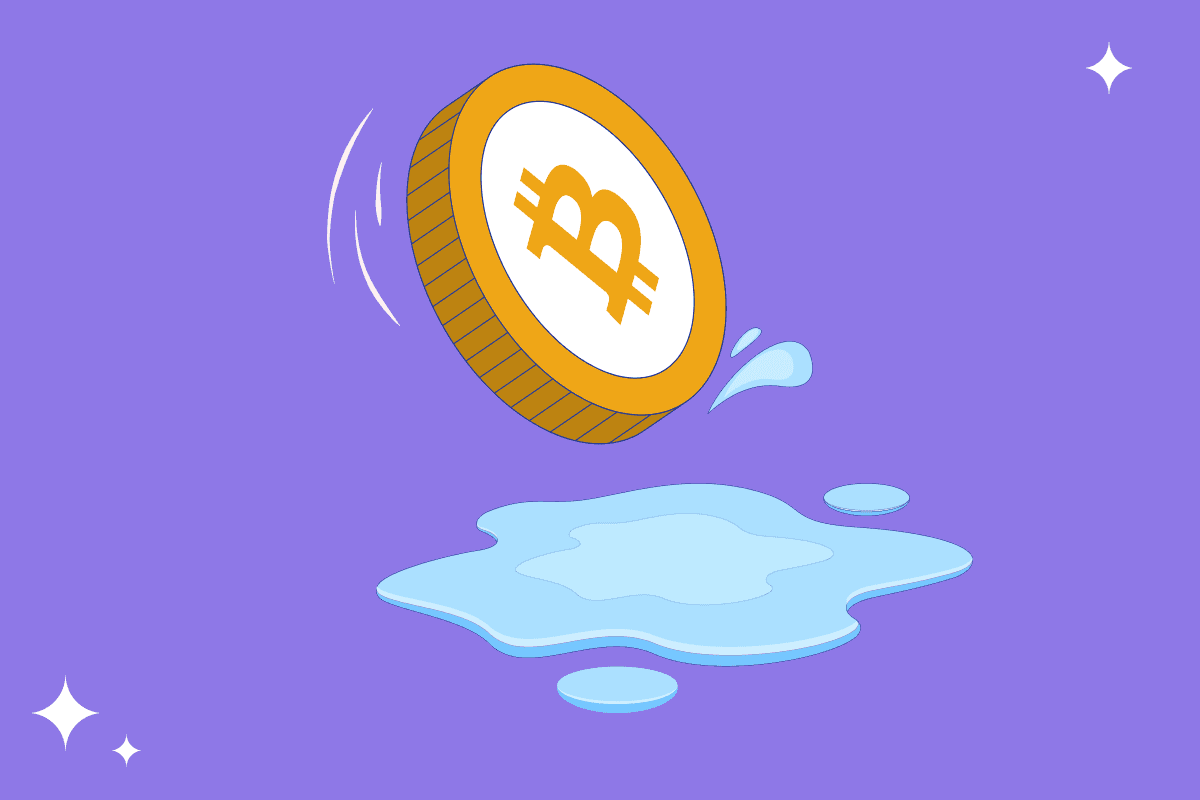
You've probably noticed that crypto trade orders don't always execute at the desired price. Orders may execute at higher or lower prices. Price slippage occurs.
Why and how does slippage happen?
What Is Slippage?
Slippage in cryptocurrency trading refers to the difference between the expected price of a cryptocurrency trade and the actual price at which the trade is executed. In other words, it is the difference between the price at which a trader intends to buy or sell a cryptocurrency and the price at which the trade is actually executed.
Slippage is often caused by market volatility, liquidity issues, or delays in order execution. For example, if a trader places a buy order for a certain cryptocurrency at a specific price, but the market moves quickly and the price of the cryptocurrency increases before the order can be executed, the trader may end up buying the cryptocurrency at a higher price than expected, resulting in slippage.
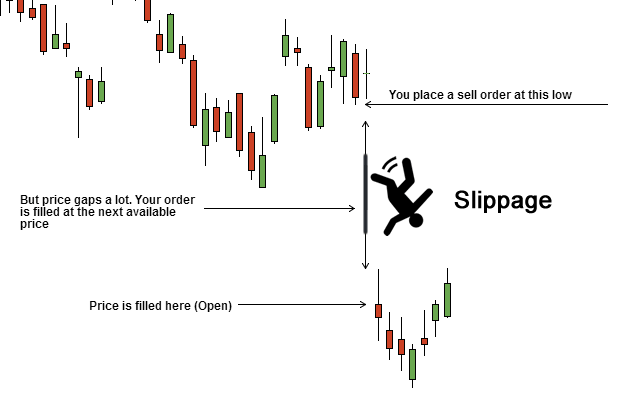
Slippage can have a significant impact on the profitability of a trade, especially for traders who rely on short-term price movements to make a profit. It is important for traders to take slippage into account when placing orders and to use appropriate risk management strategies to minimize the impact of slippage on their trades.
What causes slippage in trading crypto?
There are several factors that can cause slippage in crypto trading, including:
- Market volatility: The cryptocurrency market can be highly volatile, and rapid price movements can lead to slippage. In a fast-moving market, a trader's order may not be executed at the intended price, and instead, it may be filled at a different, less favorable price.
- Liquidity: The liquidity of a cryptocurrency is the ease with which it can be bought or sold without significantly affecting its price. Cryptocurrencies with low liquidity are more likely to experience slippage because it may be more difficult to find buyers or sellers at the desired price.
- Order size: The size of a trader's order can also impact slippage. Large orders can cause the price of a cryptocurrency to move, especially if there is not enough liquidity to support the order, resulting in slippage.
- Latency and order execution: The speed at which a trader's order is executed can also impact slippage. Delays in order execution can result in the order being filled at a different price than intended.
- Order type: The type of order used can also affect slippage. For example, a market order is filled at the current market price, which can lead to slippage if the price has moved significantly since the order was placed.
Overall, slippage can occur due to a variety of factors, and traders should take them into account when placing orders and using appropriate risk management strategies to minimize its impact on their trades.
Slippage Tolerance: What Is It?
Slippage tolerance refers to the maximum amount of slippage that a trader is willing to accept when placing an order for a trade. It is a parameter that can be set by a trader in their trading platform to ensure that their orders are executed within a certain price range.
For example, if a trader sets a slippage tolerance of 1%, it means that they are willing to accept a maximum of 1% slippage between the intended price of their order and the actual execution price. If the slippage exceeds the 1% tolerance level, the order will not be executed.
Slippage tolerance can be an important risk management tool for traders because it helps to limit the impact of unexpected price movements on their trades. By setting a slippage tolerance, traders can ensure that their orders are executed at a price that is within their acceptable range, even if the market is moving rapidly.
However, it is important to note that setting a slippage tolerance does not guarantee that an order will be executed at the intended price. Market conditions and order size can still impact the execution price, and slippage may occur even within the specified tolerance range.
Handy Tips to Avoid Slippages
While slippage cannot always be completely avoided, there are several steps that traders can take to help minimize the likelihood and impact of slippage. Here are some tips that can help:
- Choose a broker or exchange with high liquidity: The more liquidity an exchange or broker has, the more likely it is that traders can buy and sell at the price they want. Choosing a platform with high liquidity can help reduce the likelihood of slippage.
- Use limit orders instead of market orders: Market orders are filled at the current market price, while limit orders allow traders to set a specific price at which they want to buy or sell. By using limit orders, traders can have more control over the execution price and reduce the risk of slippage.
- Monitor the market closely: Keep an eye on the market conditions and be aware of any potential news or events that could impact prices. By monitoring the market closely, traders can make more informed decisions about when to enter or exit a trade and reduce the likelihood of unexpected price movements.
- Adjust order size: Large orders can cause significant price movements and increase the likelihood of slippage. Traders may want to consider breaking up large orders into smaller ones to reduce the impact on the market and decrease the risk of slippage.
- **Use stop-loss orders: **A stop-loss order is an instruction to sell a cryptocurrency when it reaches a certain price. By setting a stop-loss order, traders can limit their potential losses if the market moves against them, and reduce the likelihood of significant slippage.
You should always be aware of the potential for slippage and use appropriate risk management strategies to minimize its impact on your trades. By taking proactive steps to avoid slippage, traders can improve their chances of success in the cryptocurrency markets.
Conclusion
Slippage is a normal part of trading in any market, and traders should be prepared to manage their risk accordingly. By staying informed, using appropriate risk management strategies, and understanding the potential impact of slippage, traders can improve their chances of success in the cryptocurrency markets.
If you aspire to become a pro-crypto trader, then you have clicked at the right place. CoinScreener.ai advanced technical analysis and AI-generated signals, rich data sources from more than 1000 Future & Spot markets enriched by Machine Learning, and major cryptocurrency exchanges in the world to screen for market trading signals, monitor and analyze the trading behavior of Whales, Top Traders to identify the best market trends in real-time and make the most profit from your trade today.
Follow CoinScreener: https://linktr.ee/coinscreener.ai
#coinscreener #coin #screener #coinscreener.ai #crypto #ai #cryptosignals #cryptocoin #token #cryptoscreener #screenerapp #screenertool #tradingsignals #aitradingsignals #technicalanalysisscreener #technicalanalysis #tradingbot #cryptohopper #cryptobot #dcabot #robot #calculatorcrypto #btc #binance #liquidations #fundingrate #cryptoscreener #btcliquidation #cryptoliquidation #Liquidation #future #futuretrading #cryptocalculator #costbasic #fed #FOCM #Federalreserve #CEX #DEX #KYC #RSI #indicator #P2P #gridtrading #perpetualcontracts #perpetualfutures #slippage