
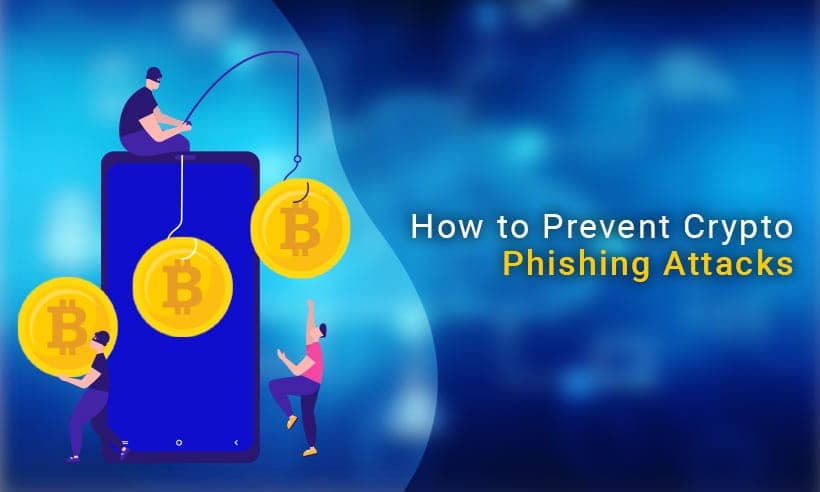
Phishing websites can lure victims into giving over vital information or money. A phishing attack's main goal is to compromise one or more of the victim's systems. One successful phishing assault can quickly and alarmingly damage additional individuals and surrounding networks.
Although while large-scale phishing attempts are rare, smaller-scale attacks are the most common social attacks today. Being alert is one strategy to guard against these attacks. Authenticating and securing digital assets are other techniques.
In this article, CoinScreener will explain the detail of what is Phishing Scams in Crypto and how to prevent them.
What is a Phishing Scams & Attack Crypto?
Phishing scams are a type of cyber attack where attackers attempt to trick individuals into providing sensitive information, such as usernames, passwords, credit card numbers, and other personal details, by posing as a trustworthy entity or organization. This is usually done through email, social media, or other messaging platforms, and the attacker may use tactics such as urgent or threatening language, enticing offers, or spoofed websites that look like legitimate ones.
Phishing attacks targeting cryptocurrency users are often referred to as "crypto phishing scams." In these attacks, attackers may send messages or create websites that impersonate legitimate cryptocurrency exchanges, wallets, or other services. The goal is to trick the victim into providing their private keys, seed phrases, or other information needed to access their cryptocurrency holdings, which can then be stolen by the attacker.
Crypto phishing scams can also take the form of fake giveaways, investment opportunities, or airdrops that promise to provide free cryptocurrency in exchange for personal information or initial investment. It's important for cryptocurrency users to be vigilant and carefully verify any messages or websites they receive before providing any sensitive information.
How Does a Phishing Attack Work?
Phishing attacks typically work by exploiting human behavior and psychology to trick individuals into providing sensitive information or taking an action that benefits the attacker. Here's a general overview of how a phishing attack might work:
- The attacker sends a message: The attacker may send an email, social media message, or another form of communication that appears to be from a trustworthy entity, such as a bank, social media platform, or online retailer. The message may use urgent or threatening language to encourage the victim to take immediate action.
- The message contains a fraudulent link: The message may contain a link that appears to be legitimate, but actually leads to a spoofed website controlled by the attacker. The victim may be asked to enter their login credentials, personal information, or other sensitive data on this fake website.
- The victim provides sensitive information: If the victim falls for the scam and enters their sensitive information on the fake website, the attacker can then use this information to commit identity theft, financial fraud, or other types of malicious activity.
- The attacker covers their tracks: The attacker may cover their tracks by redirecting the victim to a legitimate website after they've stolen their information, or by deleting any evidence of the phishing attempt.
Phishing attacks can be highly effective because they often appear to be from a trustworthy source, and because they exploit common human emotions such as fear, urgency, and curiosity. It's important to be vigilant and cautious when receiving messages or links from unknown sources and to verify the legitimacy of any requests for personal information before providing it.
**Ways to Recognize **Phishing Attacks in Crypto
Fake Exchange or Wallet Website
Scammers create fake exchange or wallet websites that look almost identical to the real ones. They send emails or messages to victims, luring them to click on the link and enter their login credentials or private keys. Once the victim provides the information, the scammers can use it to access the victim's crypto assets.
Phishing Emails
Scammers send phishing emails that appear to be from a legitimate cryptocurrency exchange or wallet provider, asking the victim to click on a link and enter their login credentials or personal information. The link leads to a fake website where the victim's information is stolen.
Social Media Scams
Scammers create fake social media profiles that mimic those of legitimate crypto influencers or companies. They may post messages that encourage victims to participate in fake giveaways, airdrops, or investment opportunities. The messages may contain links to fake websites that steal the victim's information.
Mobile App Scams
Scammers create fake mobile apps that look like legitimate cryptocurrency wallets or exchanges. They may use social media or other channels to promote the app and encourage victims to download it. Once the victim enters their private keys or login credentials, the scammers can use the information to steal their crypto assets.
It's important to be vigilant and take steps to protect yourself from these types of scams. Always double-check the authenticity of the website or app before providing any sensitive information, and never click on links in emails or messages unless you are sure they are legitimate. Use two-factor authentication and other security measures to protect your crypto assets from theft.
What Makes You Vulnerable to Cryptocurrency Scams?
There are several reasons why you should be concerned about crypto scams:
- Financial Loss: One of the most immediate and obvious risks of crypto scams is financial loss. If you fall for a crypto scam, you may lose your entire investment, and in some cases, your personal savings. Crypto scams can be particularly devastating because the transactions are irreversible, and there is no regulatory body that can help you recover your funds.
- Identity Theft: Crypto scams may also put your personal information at risk. Scammers may ask you to provide sensitive information such as your social security number, passport details, or bank account information. If they obtain this information, they can use it for identity theft or other types of fraud.
- Reputation Damage: Falling victim to a crypto scam can also damage your reputation, particularly if you are an investor or business owner in the crypto space. Investors and customers may lose trust in you, and you may find it difficult to regain their confidence.
- Legal Issues: In some cases, falling for a crypto scam may also put you at risk of legal issues. If you unknowingly participate in fraudulent activities or money laundering, you may face legal consequences.
Overall, it's important to be cautious when investing in cryptocurrencies and to be aware of the risks associated with crypto scams. You should always do your due diligence and carefully research any investment opportunities before committing your funds.
6 Tips to protect yourself from Phishing Attacks
Here are some tips you can take to prevent phishing attacks:
- Be suspicious of unsolicited emails or messages: If you receive an email or message that asks you to provide sensitive information or click on a link, be suspicious, especially if it's unsolicited or comes from an unknown sender.
- **Verify the sender: **Always verify the sender's email address or social media handle before responding to the message or clicking on a link. Scammers may create email addresses or handles that look similar to legitimate ones, so be sure to check carefully.
- **Use two-factor authentication: **Two-factor authentication can add an extra layer of security to your online accounts. It requires you to provide a second factor, such as a code generated by a mobile app or sent to your phone, in addition to your password.
- Check the website's URL: Before entering any sensitive information, check the website's URL to ensure it's legitimate. Scammers may create websites that look almost identical to the real ones, but the URL may contain slight variations.
- Keep your software up to date: Keeping your software, including your operating system, web browser, and anti-virus software, up to date can help protect you from known vulnerabilities and exploits.
- **Educate yourself: **Stay informed about the latest phishing scams and tactics, so you can recognize them when they occur. Be cautious of any unsolicited messages or requests for sensitive information, and don't be afraid to ask for help or advice if you're unsure.
By following these tips, you can reduce your risk of falling victim to a phishing attack and help keep your personal and financial information safe.
Bottom line
CoinScreener trusts that your questions about "What is phishing and how to prevent it?" have been satisfactorily answered. In addition to its financial applications, the use of cryptocurrencies is expanding. Reducing your exposure to crypto phishing attempts will help you keep more of your money and will also increase confidence in the cryptocurrency market. Users using cryptocurrencies should take extra precautions, such as sticking to only trusted sites that employ robust security measures.
If you aspire to become a pro-crypto trader, then you have clicked at the right place. CoinScreener.ai advanced technical analysis and AI-generated signals, rich data sources from more than 1000 Future & Spot markets enriched by Machine Learning, and major cryptocurrency exchanges in the world to screen for market trading signals, monitor and analyze the trading behavior of Whales, Top Traders to identify the best market trends in real-time and make the most profit from your trade today.
Follow CoinScreener: https://linktr.ee/coinscreener.ai
#coinscreener #coin #screener #coinscreener.ai #crypto #ai #cryptosignals #cryptocoin #token #cryptoscreener #screenerapp #screenertool #tradingsignals #aitradingsignals #technicalanalysisscreener #technicalanalysis #tradingbot #cryptohopper #cryptobot #dcabot #robot #calculatorcrypto #btc #binance #liquidations #fundingrate #cryptoscreener #btcliquidation #cryptoliquidation #Liquidation #future #futuretrading #cryptocalculator #costbasic #fed #FOCM #Federalreserve #CEX #DEX #KYC #RSI #indicator #P2P #gridtrading #perpetualcontracts #perpetualfutures #slippage #offchain #onchain #halving #bulltrap #beartrap #Bidask #spread #phishing