
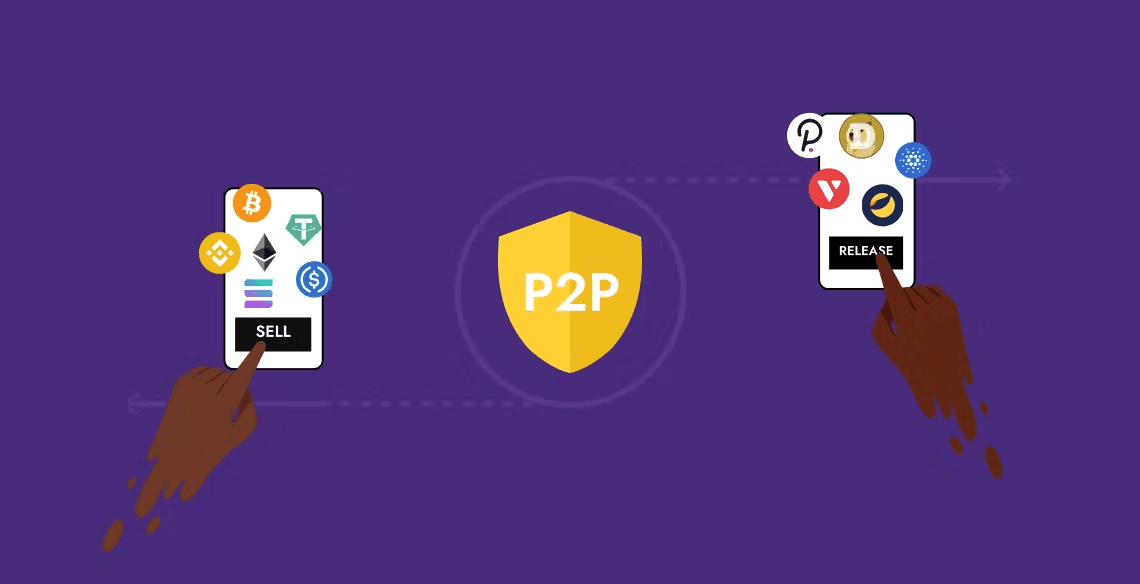
Bitcoin and blockchain advocate decentralization and peer-to-peer transfers. Satoshi Nakamoto called bitcoin "a peer-to-peer electronic monetary system". Most crypto buyers and sellers use centralized exchanges with market makers or brokers.
Centralized exchanges and brokers are more convenient, efficient, cost-effective, and compliant. Some crypto fans and "Bitcoin maxis" (Bitcoin maximalists) strongly oppose them and want a peer-to-peer alternative.
P2P trading addresses this. P2P trading lets crypto users purchase and sell without brokers, exchanges, or market makers.
This article, CoinScreener.ai will describe peer-to-peer trading, its pros and cons, and whether you should use it.
What is P2P Trading?
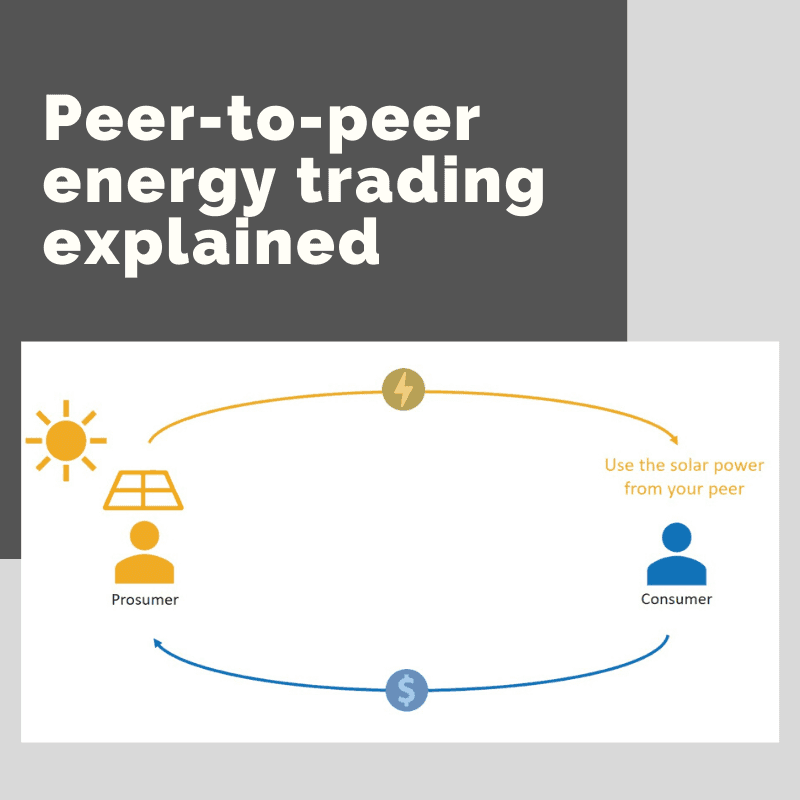
Peer-to-Peer (P2P) trading in crypto refers to the direct exchange of cryptocurrencies between two parties without the involvement of an intermediary, such as a centralized exchange. P2P trading platforms connect buyers and sellers directly, allowing them to negotiate the price and terms of the trade. P2P trading is often preferred by those who want to maintain greater control over their trades and avoid the fees and regulations associated with centralized exchanges.
How P2P Trading Works
In a P2P trading system, buyers and sellers connect directly through a decentralized platform or marketplace, without the need for a central authority to facilitate the transaction. Here is a basic overview of how P2P trading works in the context of cryptocurrencies:
- Finding a trading partner: Buyers and sellers can find each other through P2P trading platforms, such as LocalBitcoins, Paxful, or Bisq, or through social media or other channels.
- Negotiating terms: The parties negotiate the terms of the trade, such as the price, payment method, and the amount of cryptocurrency to be exchanged.
- Escrow and security: Some P2P trading platforms use escrow services to ensure that both parties uphold their end of the bargain. The buyer deposits funds into an escrow account, which is released to the seller once the cryptocurrency has been transferred. Additionally, both parties may use multi-signature wallets to ensure security and reduce the risk of fraud.
- Completing the trade: Once the terms have been agreed upon and any necessary security measures are in place, the parties can execute the trade by transferring the cryptocurrency and payment directly to each other.
- Leaving feedback: After the trade is completed, the parties may leave feedback or ratings for each other, which helps to establish a reputation and trust within the P2P trading community.
The Benefits and Risks of Peer-to-Peer Trading
Here are some of the potential pros and cons of peer-to-peer (P2P) trading:
Pros:
- Greater control: P2P trading allows buyers and sellers to have more control over the terms of their trades, such as the price, payment method, and amount of cryptocurrency to be exchanged.
- Reduced fees: P2P trading typically involves lower fees compared to centralized exchanges, which often charge fees for trading, deposits, and withdrawals.
- Privacy: P2P trading can offer greater privacy since buyers and sellers are not required to provide personal information to a centralized exchange.
Cons:
- Counterparty risk: P2P trading carries a greater risk of fraud and theft since buyers and sellers must trust each other to uphold their end of the bargain.
- Limited liquidity: P2P trading may have lower liquidity than centralized exchanges, which can lead to longer wait times for trades to be executed.
- Limited availability: Some P2P trading platforms may not be available in certain countries, which can limit access to P2P trading for some users.
Challenges of peer-to-peer trading
Peer-to-peer (P2P) trading in cryptocurrencies can face several challenges, including:
- Fraud and scams: Since P2P trading involves direct transactions between buyers and sellers, there is a risk of fraud and scams, such as fake or stolen identities, chargebacks, and non-payment.
- Lack of regulation: P2P trading platforms are often unregulated, which can make it difficult to resolve disputes and protect users from fraudulent or malicious activity.
- Security concerns: P2P trading may be more susceptible to security risks, such as hacking, malware, and phishing, since there is no centralized authority overseeing the platform.
- Limited liquidity: P2P trading may have lower liquidity compared to centralized exchanges, which can lead to longer wait times for trades to be executed, and may result in trades being executed at unfavorable prices.
- Geographical limitations: Some P2P trading platforms may not be available in certain countries, which can limit access to P2P trading for some users.
- Technical barriers: P2P trading platforms may require technical knowledge and experience to use effectively, which can be a barrier to entry for some users.
P2P crypto trading: yes or no?
The decision to buy cryptocurrency through P2P trading platforms depends on individual preferences and risk tolerance.
P2P trading can be a good option for those who want greater control over their trades, lower fees, and greater privacy. However, it also carries higher risks, such as fraud, scams, and security concerns.
Before engaging in P2P trading, it is important to conduct thorough research on the platform, the seller or buyer, and the terms of the trade. It is also recommended to use a platform with escrow services or multi-signature wallets to mitigate the risk of fraud.
If you are new to cryptocurrency trading, it may be more advisable to start with a reputable centralized exchange with strong security measures and a track record of reliability. This can help to reduce the risks associated with P2P trading until you have gained more experience and confidence.
Is P2P Trading Safe?
Peer-to-peer (P2P) trading can be safe, but it also carries some risks that buyers and sellers should be aware of. Here are some tips to help ensure safe P2P trading:
- Choose a reputable platform: Select a P2P trading platform with a good reputation, strong security measures, and a track record of reliability.
- Verify the counterparty: Verify the identity and reputation of the buyer or seller before engaging in a trade. Look for buyers or sellers with a high rating or positive feedback from other users on the platform.
- Use an escrow service: Some P2P trading platforms offer an escrow service, which holds the cryptocurrency until both parties have fulfilled their obligations. This can help to prevent fraud and disputes.
- Use a secure payment method: Choose a secure payment method that cannot be easily reversed, such as a bank transfer, cash deposit, or cryptocurrency transfer.
- Keep your cryptocurrency secure: Use a multi-signature wallet or cold storage to keep your cryptocurrency secure and reduce the risk of theft.
By following these guidelines and exercising caution, P2P trading can be a safe and effective way to buy and sell cryptocurrency. However, buyers and sellers should be aware of the risks and take appropriate precautions to protect themselves.
Conclusion
P2P trading is generally safe, however exchange safety precautions vary. Newer P2P trading platforms are safer than older ones.
Today's top P2P exchanges protect users with escrow, security updates, and strict identification verification. P2P trading, like any trading, has hazards, even with strong precautions.
If you aspire to become a pro-crypto trader, then you have clicked at the right place. CoinScreener.ai advanced technical analysis and AI-generated signals, rich data sources from more than 1000 Future & Spot markets enriched by Machine Learning, and major cryptocurrency exchanges in the world to screen for market trading signals, monitor and analyze the trading behavior of Whales, Top Traders to identify the best market trends in real-time and make the most profit from your trade today.
Follow CoinScreener: https://linktr.ee/coinscreener.ai
#coinscreener #coin #screener #coinscreener.ai #crypto #ai #cryptosignals #cryptocoin #token #cryptoscreener #screenerapp #screenertool #tradingsignals #aitradingsignals #technicalanalysisscreener #technicalanalysis #tradingbot #cryptohopper #cryptobot #dcabot #robot #calculatorcrypto #btc #binance #liquidations #fundingrate #cryptoscreener #btcliquidation #cryptoliquidation #Liquidation #future #futuretrading #cryptocalculator #costbasic #fed #FOCM #Federalreserve #CEX #DEX #KYC #RSI #indicator #P2P