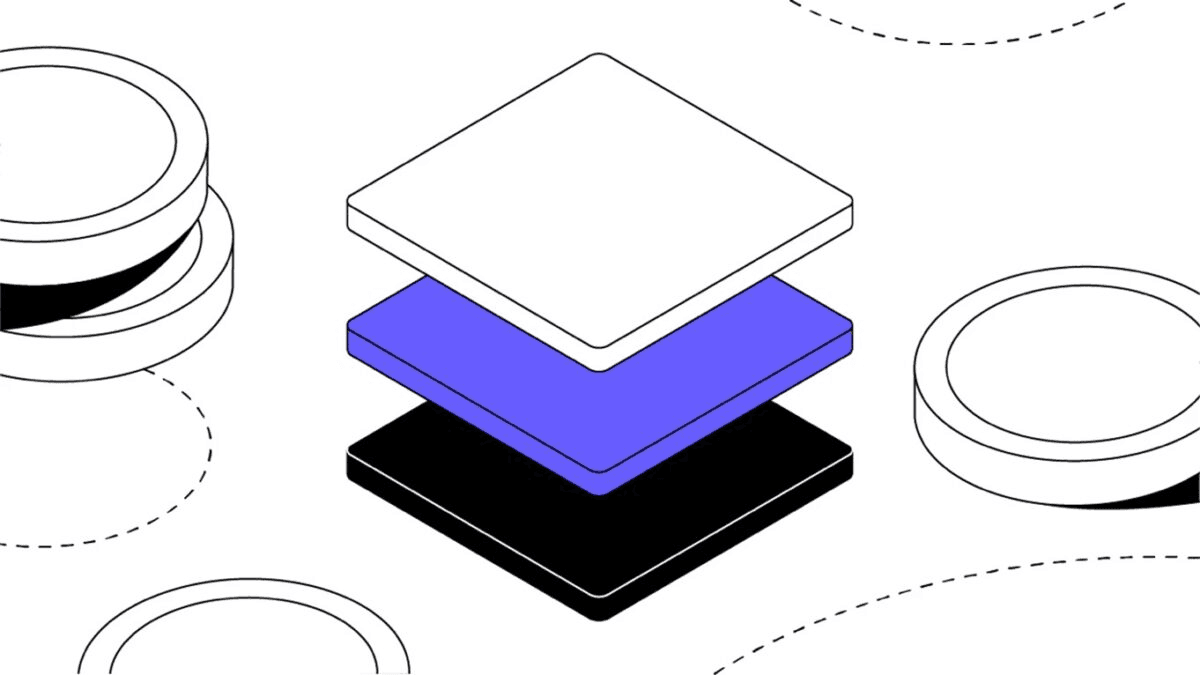
Blockchain technology has rapidly evolved in recent years and is becoming increasingly popular. However, the complexity of the technology can be daunting for beginners. One of the fundamental concepts of the blockchain is its layer structure.
In this article, we'll explain the layers of blockchain, focusing on layers 0, 1, 2, and 3, and why understanding them is essential.
Layer 0: The Physical Layer
The physical layer is the foundation of the blockchain layer structure. It includes the physical components that enable the blockchain to function, such as nodes, miners, and network infrastructure. This layer provides the hardware that supports the blockchain network's operation and ensures its security and stability.
Layer 1: The Data Layer
The data layer is where the blockchain's core data is stored. It consists of the blockchain protocol, transaction data, and consensus mechanism. This layer is responsible for maintaining the blockchain's integrity and ensuring that all transactions are secure and verifiable.
Layer 2: The Application Layer
The application layer is the top layer of the blockchain structure. It enables the creation of decentralized applications (dApps) that can run on top of the blockchain network. This layer includes smart contracts, which are self-executing contracts that can automate complex processes and transactions without the need for intermediaries.
Layer 3: The Governance Layer
The governance layer is a new addition to the blockchain layer structure. It involves the decision-making process of a blockchain network, including changes to its protocol, rules, and governance structures. This layer ensures that the network evolves to meet the changing needs of its users and stakeholders.
Why Understanding the Layers of Blockchain is Important
Understanding the layers of blockchain is essential for anyone interested in this revolutionary technology. It allows you to appreciate the unique benefits of blockchain, such as decentralization, transparency, and security. Understanding the different layers can also help you identify the potential use cases for blockchain and how it can transform industries such as finance, supply chain, and healthcare.
Conclusion
In summary, layer structure is a fundamental concept in blockchain technology. The physical layer provides the infrastructure, the data layer stores the blockchain's data, and the application layer enables the creation of decentralized applications. By understanding the different layers, you can appreciate the benefits of blockchain and its potential to transform various industries.
If you aspire to become a pro-crypto trader, then you have clicked at the right place. Coinscreener is a trading tool platform that provides crypto traders, especially crypto newbies to screen trading signals on markets, follow, and analyze the trading behavior of Whales, Top Traders to identify the best market trends and make the most profits out of their trades.
Follow CoinScreener: https://linktr.ee/coinscreener.ai
KEY FEATURES:
📈 1. Trading Signals:
Maximize your trading opportunities with signals produced through advanced technical analysis & AI algorithms.
📊 2. Top Trader Alerts:
Follow top traders and get notified when they open, close, or adjust their positions.
🐳 3. Whale Alerts:
Get alerted of large buys/sells and track the history of whale activities for 1000+ Future & Spot markets.
🙈 4. Unusual Activity Alerts
Get real-time alerts on market pumps & dumps and unusual volume activities.
#coinscreener #coin #screener #coinscreener.ai #crypto #ai #cryptosignals #cryptocoin #token #cryptoscreener #screenerapp #screenertool #tradingsignals #aitradingsignals #technicalanalysisscreener #technicalanalysis #tradingbot #cryptohopper #cryptobot #dcabot #robot #calculatorcrypto #btc #binance #liquidations #fundingrate #cryptoscreener #btcliquidation #cryptoliquidation #Liquidation #future #futuretrading #cryptocalculator #layerblockchain