
If you want to protect your Bitcoin or other cryptocurrency holdings, you'll need a cryptocurrency wallet. Cold wallets are the safest option available.
Here's what you need to know to begin putting your cryptocurrency away in a secure cold storage facility.
What Is Actually a Cold Wallet?
A cold wallet is a type of cryptocurrency wallet that stores the private keys of your cryptocurrency offline, away from any internet-connected device. This is in contrast to a hot wallet, which is connected to the internet and therefore potentially vulnerable to hacking attempts and other security breaches.
Cold wallets are considered to be more secure than hot wallets, as they are not susceptible to online attacks or viruses that can compromise the security of your private keys. They are typically used for long-term storage of large amounts of cryptocurrency, as well as for holding funds that are not needed for immediate transactions.
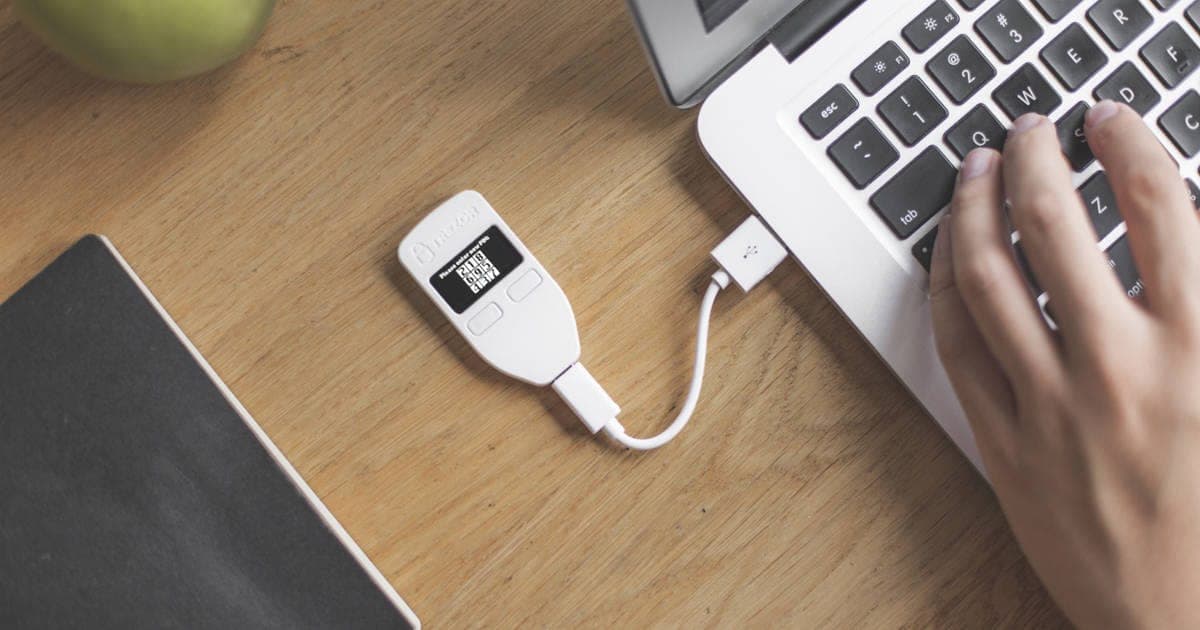
There are several types of cold wallets, including hardware wallets, paper wallets, and even offline software wallets. Hardware wallets are the most popular type of cold wallet and usually take the form of a small device that connects to your computer or mobile device via USB. Paper wallets involve printing out your private keys and storing them in a physical location, while offline software wallets are essentially hot wallets that are run on a computer that is disconnected from the internet.
Why Is It Necessary to Have a Cold Wallet?
A cold wallet is essential for anyone who wants to securely store their cryptocurrency holdings. Here are a few reasons why you might need a cold wallet:
- Security: Cold wallets offer the highest level of security for your cryptocurrency because they are offline and not susceptible to hacking attacks, malware, or other online threats.
- Long-term storage: If you plan to hold onto your cryptocurrency for the long-term, a cold wallet is a safer option than a hot wallet, which is connected to the internet and can be vulnerable to attacks.
- Large amounts of cryptocurrency: If you have a significant amount of cryptocurrency, it's best to store it in a cold wallet to reduce the risk of loss or theft.
- Peace of mind: Knowing that your cryptocurrency is stored in a cold wallet can give you peace of mind, as you don't have to worry about the security of your funds.
In summary, a cold wallet is a must-have for anyone who wants to ensure the security and longevity of their cryptocurrency investments.
What's the Different Between a Cold Wallet and a Hot Wallet?
The main difference between a cold wallet and a hot wallet is how they store your private keys, which are required to access and manage your cryptocurrency holdings.
A hot wallet is a type of cryptocurrency wallet that is connected to the internet and allows you to access and manage your cryptocurrency holdings in real-time. Hot wallets are usually more convenient and easier to use, as they can be accessed from anywhere with an internet connection. However, they are also more susceptible to hacking attempts and other online threats.
On the other hand, a cold wallet is a type of cryptocurrency wallet that stores your private keys offline, away from any internet-connected device. This makes them much more secure than hot wallets, as they are not vulnerable to online attacks or viruses that can compromise the security of your private keys. However, cold wallets are less convenient and can be more difficult to use, as they require physical access to the wallet to manage your holdings.
Overall, if you plan to hold a significant amount of cryptocurrency for a long period of time, a cold wallet is the more secure option. However, if you need to access and manage your cryptocurrency holdings frequently, a hot wallet may be more suitable for your needs. It's important to weigh the pros and cons of each type of wallet and choose the one that best meets your specific requirements.
Exactly how can Cold Wallets protect against theft?
Cold wallets are designed to prevent theft by keeping your private keys offline, away from any internet-connected device that could be compromised by hackers or malware. Here are a few ways that cold wallets help prevent theft:
**Private key isolation: **Cold wallets store your private keys on a physical device that is not connected to the internet, such as a hardware wallet or paper wallet. This means that your private keys are isolated from any online threats, making it much more difficult for hackers to access them.
Two-factor authentication: Many cold wallets require two-factor authentication before allowing access to your funds, which adds an extra layer of security to your account.
Password protection: Cold wallets often require a password or PIN to access your funds, which helps prevent unauthorized access to your account.
Backup seed phrases: Most cold wallets generate a backup seed phrase that can be used to recover your funds if your wallet is lost or stolen. This seed phrase is kept offline and should be stored in a secure location.
Overall, cold wallets are considered one of the most secure ways to store cryptocurrency, as they provide multiple layers of protection against theft and unauthorized access. However, it's important to remember that no storage method is 100% foolproof, and it's always a good idea to take additional precautions to protect your cryptocurrency holdings.
Tips for transferring Cryptocurrency to cold storage
Moving your cryptocurrency to cold storage is a great way to increase the security of your holdings. Here's a general overview of the steps involved in moving your cryptocurrency to cold storage:
- Choose a cold storage option: There are several types of cold storage options available, including hardware wallets, paper wallets, and offline software wallets. Choose the option that best fits your needs and budget.
- Set up your cold wallet: Once you've chosen a cold storage option, follow the instructions to set up your wallet. This usually involves creating a new wallet, setting up a password, and creating a backup seed phrase.
- Transfer your cryptocurrency: Next, transfer your cryptocurrency holdings from your hot wallet or exchange to your cold wallet. To do this, you'll need to generate a new address in your cold wallet and send the cryptocurrency from your hot wallet or exchange to that address.
- Verify the transaction: Once the transfer is complete, verify that your cryptocurrency holdings are now stored in your cold wallet by checking the wallet balance.
- Store your backup seed phrase: Finally, make sure to store your backup seed phrase in a secure location, as this is the only way to recover your funds if you lose access to your cold wallet.
It's important to note that the specific steps involved in moving your cryptocurrency to cold storage will vary depending on the type of cold wallet you choose. Be sure to follow the instructions provided by your wallet provider and take any necessary security precautions to protect your cryptocurrency holdings.
The Bottom Line
The number of people who use or steal cryptocurrency is not decreasing. Those who would rather steal from others than work for a living make it imperative that bitcoin keys be kept in secure locations. While cold storage is the most secure option, you will still need to either connect your storage device or enter your keys in order to spend your bitcoin. The most effective methods of keeping your crypto safe from prying eyes involve keeping it on an offline device, only using it when you need to use your keys, and then stowing the device away securely after you're done.
If you aspire to become a pro-crypto trader, then you have clicked at the right place. CoinScreener.ai advanced technical analysis and AI-generated signals, rich data sources from more than 1000 Future & Spot markets enriched by Machine Learning, and major cryptocurrency exchanges in the world to screen for market trading signals, monitor and analyze the trading behavior of Whales, Top Traders to identify the best market trends in real-time and make the most profit from your trade today.
Follow CoinScreener: https://linktr.ee/coinscreener.ai
#coinscreener #coin #screener #coinscreener.ai #crypto #ai #cryptosignals #cryptocoin #token #cryptoscreener #screenerapp #screenertool #tradingsignals #aitradingsignals #technicalanalysisscreener #technicalanalysis #tradingbot #cryptohopper #cryptobot #dcabot #robot #calculatorcrypto #btc #binance #liquidations #fundingrate #cryptoscreener #btcliquidation #cryptoliquidation #Liquidation #future #futuretrading #cryptocalculator #costbasic #fed #FOCM #Federalreserve #CEX #DEX #KYC #RSI #indicator #P2P #gridtrading #perpetualcontracts #perpetualfutures #slippage #offchain #onchain #halving #bulltrap #beartrap #Bidask #spread #phishing #coldstorage