
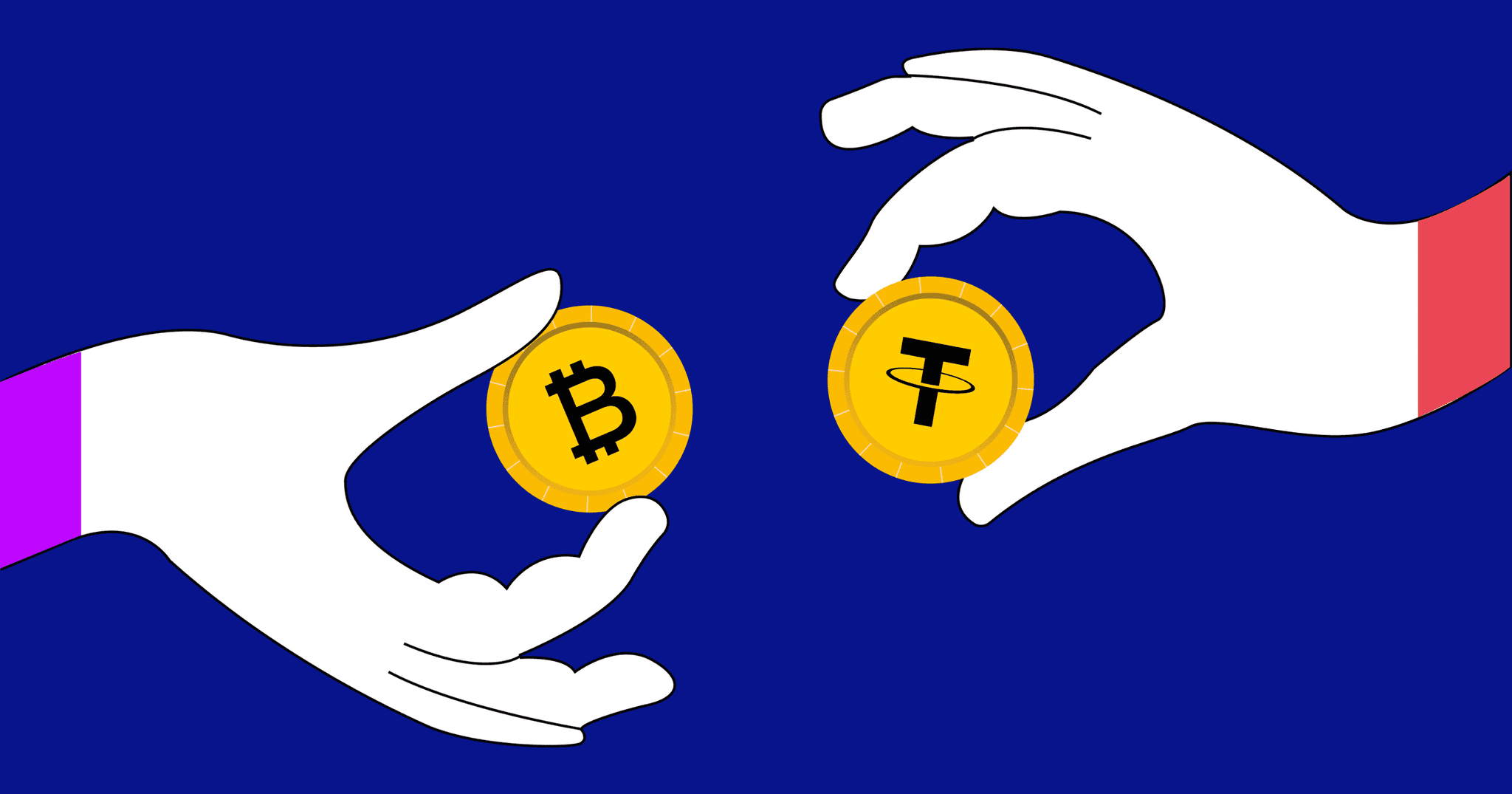
Cryptocurrency is mysterious. The names "coin" and "token" may not be appealing, but they instantly tell the reader about an asset and its function. These phrases are commonly used interchangeably, yet they are unique and significant in classification. What distinguishes coins from tokens?
What is a Coin?
A coin is a type of cryptocurrency that operates on its own blockchain and serves as a medium of exchange for goods and services. Coins typically have their own unique features and use cases, but their primary function is to allow for peer-to-peer transactions without the need for a centralized intermediary. Some examples of coins include Bitcoin, Litecoin, and Ripple. Unlike tokens, which are built on top of existing blockchain infrastructure, coins are independent and have their own distinct blockchain.
The First Coin and Some of the Biggest Coins
The first coin, and still one of the most well-known, is Bitcoin. It was created in 2009 by an unknown individual or group of individuals using the pseudonym Satoshi Nakamoto. Bitcoin operates on a decentralized peer-to-peer network and uses cryptography to secure transactions and control the creation of new units.
Some other notable coins include:
- Ethereum: a decentralized, open-source blockchain platform that enables the creation of smart contracts and decentralized applications.
- Ripple (XRP): a real-time gross settlement system, currency exchange, and remittance network.
- Litecoin: a peer-to-peer cryptocurrency that is based on the Bitcoin protocol but with several key differences, including a faster block generation time and a different hashing algorithm.
- Bitcoin Cash: a cryptocurrency that was created in 2017 as a result of a hard fork of the Bitcoin blockchain. It has larger block sizes compared to Bitcoin, which allows for faster transactions.
These are just a few examples, and the list of coins is constantly growing as new projects and use cases are developed.
What is a Token?
A token is a digital asset created on top of an existing blockchain infrastructure like Ethereum. Tokens can represent a wide range of assets or utilities, such as a financial instrument like a stock or a commodity like gold, or they can be used as a means of exchange within a specific ecosystem or platform. Tokens can also be used to access certain services, such as participating in a decentralized application or voting on platform decisions.
Unlike coins, which operate on their own blockchain and serve as a standalone cryptocurrency, tokens rely on the underlying blockchain infrastructure for security, stability, and processing transactions. Tokens are usually created through a process called an Initial Coin Offering (ICO) or a Security Token Offering (STO), and they can be bought, sold, and traded on cryptocurrency exchanges.
How do you define a token?
A token can be classified based on several factors, including its use case, underlying technology, and the regulations governing its creation and distribution. Some common classifications of tokens include:
- Utility Tokens: These tokens provide access to a specific product or service within a particular platform or ecosystem. They are often used as a means of exchange within that platform or ecosystem.
- Security Tokens: These tokens represent ownership in a real-world asset, such as a stock or a commodity, or a share in a company. They are subject to securities regulations and are typically issued through a process called a Security Token Offering (STO).
- Asset-Backed Tokens: These tokens represent ownership in a specific physical asset, such as gold or real estate. They are typically created through a process called a Tokenized Asset Offering (TAO).
- Stablecoins: These tokens are designed to maintain a stable value, often by being pegged to a fiat currency, such as the US dollar, or to a basket of assets.
This classification is not exhaustive, and the definitions of different types of tokens can sometimes overlap. The exact classification of a token will depend on its specific characteristics and the laws and regulations that apply in the jurisdiction where it is offered.
Token Creation Platforms
There are several platforms that enable the creation of tokens. Some of the most popular include:
- Ethereum: Ethereum is a decentralized, open-source blockchain platform that enables the creation of smart contracts and decentralized applications. It is also one of the most popular platforms for token creation, and many tokens are built on top of the Ethereum blockchain using the ERC-20 standard.
- Binance Smart Chain: Binance Smart Chain (BSC) is a blockchain platform that is developed and maintained by the cryptocurrency exchange Binance. It enables the creation of smart contracts and tokens and is designed to be fast, low-cost, and scalable.
- Polygon: Polygon (previously known as Matic Network) is a Layer 2 scaling solution for Ethereum. It enables faster and more affordable transactions, making it a popular choice for token creation.
- TRON: TRON is a decentralized, open-source blockchain platform that was designed to enable the creation of decentralized applications and smart contracts. It is also a popular platform for token creation, and many tokens are built on top of the TRON blockchain.
These are just a few examples, and the list of token creation platforms is constantly evolving as new solutions are developed. The choice of platform for token creation will depend on several factors, including the use case of the token, the regulations in the jurisdiction where it is being offered, and the technical capabilities of the platform.
The benefits of coin and token
Coins and tokens offer several benefits, some of which include:
- Decentralization: Coins and tokens operate on decentralized, peer-to-peer networks, which eliminates the need for intermediaries and reduces the risk of censorship or intervention by central authorities.
- Security: Coins and tokens use cryptography to secure transactions and control the creation of new units, providing a high level of security for users.
- Accessibility: Coins and tokens can be bought, sold, and traded on a global scale, making it easier for people to participate in the global economy and access financial services.
- Transparency: Transactions on a blockchain network are transparent and can be verified by anyone, increasing accountability and reducing the risk of fraud.
- Innovation: Coins and tokens are enabling the creation of new and innovative use cases, such as decentralized finance (DeFi) applications and platforms, that were not possible before the advent of blockchain technology.
- Liquidity: Coins and tokens can be easily traded on cryptocurrency exchanges, providing users with greater liquidity compared to traditional assets.
The benefits of coins and tokens can vary depending on the specific use case and underlying technology. However, in general, they offer a level of freedom, security, and innovation that was not possible before the advent of blockchain technology.
Conclusion
Coins and tokens are essential to crypto. Cryptocurrency's promise of decentralized peer-to-peer transactions has evolved significantly. We'll need additional functionality from these tokens and dApps as more enthusiasts and developers imagine how to advance this sector. Tokens will certainly alter over time, and it's fascinating to see what's next.
Interested in trading crypto? With CoinScreener's advanced technical analysis and AI-generated signals, rich data sources from more than 1000 Future & Spot markets enriched by Machine Learning, and major cryptocurrency exchanges in the world to screen for market trading signals, monitor and analyze the trading behavior of Whales, Top Traders to identify the best market trends in real-time and make the most profit from your trade today.
Follow CoinScreener: https://linktr.ee/coinscreener.ai
#coinscreener #coin #screener #coinscreener.ai #crypto #ai #cryptosignals #cryptocoin #token #cryptoscreener #screenerapp #screenertool #tradingsignals #aitradingsignals #technicalanalysisscreener #technicalanalysis #tradingbot #cryptohopper #cryptobot #dcabot #robot #calculatorcrypto #btc #binance #liquidations #fundingrate #cryptoscreener #btcliquidation #cryptoliquidation #Liquidation #future #futuretrading #cryptocalculator #costbasic